
New Legislation
Why This Matters: Toxic Exposure at the Nevada Test and Training Range
New Legislation
Equal Risk.
Equal Treatment
The Energy Employees Occupational Illness Compensation Program Act (EEOICPA), enacted in 2000, provides free medical care and financial compensation to civilian nuclear weapons workers and certain Department of Energy employees who became ill as a result of nuclear weapons production and testing.
Yet thousands of U.S. military personnel who served at the Nevada Test and Training Range (NTTR) one of the most heavily contaminated military sites in U.S. history—were excluded from these protections, despite being exposed to the same toxic radiation and hazardous materials.
The Energy Employees Occupational Illness Compensation Program Act (EEOICPA), enacted in 2000, provides free medical care and financial compensation to civilian nuclear weapons workers and certain Department of Energy employees who became ill as a result of nuclear weapons production and testing.
Yet thousands of U.S. military personnel who served at the Nevada Test and Training Range (NTTR) one of the most heavily contaminated military sites in U.S. history—were excluded from these protections, despite being exposed to the same toxic radiation and hazardous materials.
A Hidden Health Crisis Among NTTR Veterans
Decades after his service, U.S. Air Force veteran Dave Crete discovered a disturbing pattern among the men and women who served at NTTR. Many were suffering from aggressive cancers, tumors, autoimmune disorders, neurological conditions, and other life-threatening illnesses. Numerous families also experienced miscarriages, birth defects, and long-term health complications.
Through years of research, Dave traced these outcomes to toxic radiation and materials released during nuclear weapons testing at NTTR, exposures the federal government knew about but failed to adequately disclose or mitigate.
These service members were ordered to work at NTTR. Unlike civilian employees, they did not volunteer, were not warned of the risks, and were never informed of the potential consequences to their health or the health of their families. Today, many are still fighting for recognition, treatment, and justice.
The Legislative Gap
Recognizing this injustice, U.S. Representative Mark Amodei introduced H.R. 1400 to extend EEOICPA medical care and compensation benefits to affected NTTR veterans.
In the U.S. Senate, Senator Jacky Rosen with the support of Senator Catherine Cortez Masto introduced S. 2220, The Forgotten Veterans Act, which would formally recognize NTTR as a contaminated site and require documentation of toxic exposure in each service member’s Individual Longitudinal Exposure Record (ILER). This ensures exposures are visible to the Department of Veterans Affairs when service members transition to civilian life.
Both bills remain under consideration by Congress, with ongoing efforts to align and strengthen the legislation into a comprehensive solution that guarantees:
- Lifetime medical care for affected veterans
- Formal documentation of toxic exposure
- Fair financial compensation for service-connected illnesses
Why Action Is Urgent
Without congressional action, NTTR veterans continue to face delayed diagnoses, denied benefits, and mounting medical costs—while their civilian counterparts receive care under existing law.
Those who served their country at the Nevada Test and Training Range deserve the same protections, medical treatment, and compensation as anyone else harmed by America’s nuclear weapons program.
No veteran should be left behind because their exposure was classified, undocumented, or inconvenient to acknowledge.
A Hidden Health Crisis Among NTTR Veterans
Decades after his service, U.S. Air Force veteran Dave Crete discovered a disturbing pattern among the men and women who served at NTTR. Many were suffering from aggressive cancers, tumors, autoimmune disorders, neurological conditions, and other life-threatening illnesses. Numerous families also experienced miscarriages, birth defects, and long-term health complications.
Through years of research, Dave traced these outcomes to toxic radiation and materials released during nuclear weapons testing at NTTR, exposures the federal government knew about but failed to adequately disclose or mitigate.
These service members were ordered to work at NTTR. Unlike civilian employees, they did not volunteer, were not warned of the risks, and were never informed of the potential consequences to their health or the health of their families. Today, many are still fighting for recognition, treatment, and justice.
The Legislative Gap
Recognizing this injustice, U.S. Representative Mark Amodei introduced H.R. 1400 to extend EEOICPA medical care and compensation benefits to affected NTTR veterans.
In the U.S. Senate, Senator Jacky Rosen with the support of Senator Catherine Cortez Masto introduced S. 2220, The Forgotten Veterans Act, which would formally recognize NTTR as a contaminated site and require documentation of toxic exposure in each service member’s Individual Longitudinal Exposure Record (ILER). This ensures exposures are visible to the Department of Veterans Affairs when service members transition to civilian life.
Both bills remain under consideration by Congress, with ongoing efforts to align and strengthen the legislation into a comprehensive solution that guarantees:
- Lifetime medical care for affected veterans
- Formal documentation of toxic exposure
- Fair financial compensation for service-connected illnesses
Why Action Is Urgent
Without congressional action, NTTR veterans continue to face delayed diagnoses, denied benefits, and mounting medical costs—while their civilian counterparts receive care under existing law.
Those who served their country at the Nevada Test and Training Range deserve the same protections, medical treatment, and compensation as anyone else harmed by America’s nuclear weapons program.
No veteran should be left behind because their exposure was classified, undocumented, or inconvenient to acknowledge.
The Injured
Learn about the various illnesses & complications personnel have developed from working at the NTTR.
Latest Releases
See the latest releases on The Invisible Enemy from national news and other media coverage.
Honor The Fallen
We remember all the fallen in their bravery and commitment to service. We honor the sacrifices they made.
The Injured
Learn about the various illnesses & complications personnel have developed from working at the NTTR.
Latest Releases
See the latest releases on The Invisible Enemy from national news and other media coverage.
Honor The Fallen
We remember all the fallen in their bravery and commitment to service. We honor the sacrifices they made.
Our Mission
Our proposed legislation aims to provide comprehensive medical treatment and financial compensation to help victims fight illnesses and cope with the loss of their loved ones.
For all who risked their lives and those who have fallen fighting the invisible enemy.
We are telling the story of how thousands of military personnel and their families have become victims of the invisible enemy.
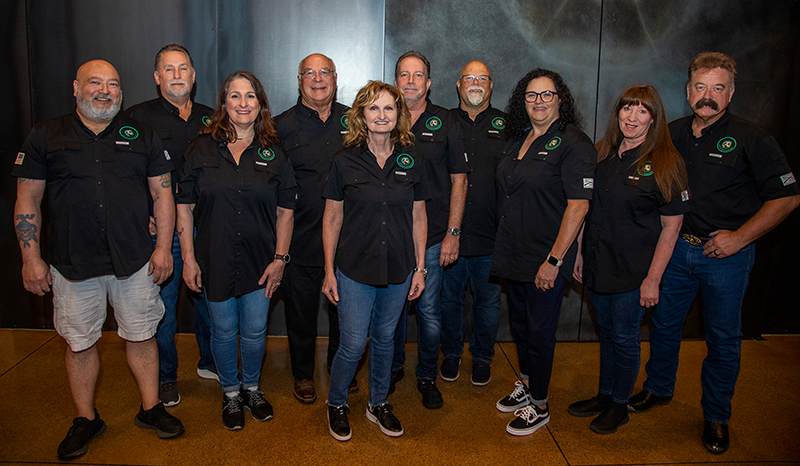
Our Mission
Our proposed legislation aims to provide comprehensive medical treatment and financial compensation to help victims fight illnesses and cope with the loss of their loved ones.
For all who risked their lives and those who have fallen fighting the invisible enemy.
We are telling the story of how thousands of military personnel and their families have become victims of the invisible enemy.