
Our Mission
We are the voice of the FORGOTTEN military veterans, civilian employees and family members exposed to radiation and other toxins. We build awareness and support that secures the benefits they deserve.
OUR VISION
Every military veteran, civilian employee and family member exposed to radiation and other toxins receives the benefits they have earned and the compensation they deserve.
OUR GOALS
IMMEDIATE
Advance the Sergeant Dave Crete FORGOTTEN Veterans Act.
NEAR TERM
Develop TIE into an operating VSO capable of directly assisting veterans.
LONG TERM
Build a sustainable national organization serving veterans, civilian employees and families affected by toxic exposures.
Our Mission
We are the voice of the FORGOTTEN military veterans, civilian employees and family members exposed to radiation and other toxins. We build awareness and support that secures the benefits they deserve.
OUR VISION
Every military veteran, civilian employee and family member exposed to radiation and other toxins receives the benefits they have earned and the compensation they deserve.
OUR GOALS
IMMEDIATE
Advance the Sergeant Dave Crete FORGOTTEN Veterans Act.
NEAR TERM
Develop TIE into an operating VSO capable of directly assisting veterans.
LONG TERM
Build a sustainable national organization serving veterans, civilian employees and families affected by toxic exposures.
We are making our government recognize the sacrifices they made and the injustice they endure by telling the story of how thousands of military personnel and their families became victims of exposure, the invisible enemy, on the NTTR.
WHAT THE FEDERAL GOVERNMENT DID
In 2000, Congress enacted the Energy Employees Occupational Illness Compensation Program Act (EEOICPA), providing medical benefits and compensation to eligible workers who became ill from radiation and other toxic exposures associated with the nation's nuclear weapons program.
But many military personnel who served at classified locations faced a different problem: they could not prove where they served.
WHAT REMAINED UNRESOLVED
Classified, restricted, redacted and data-masked service records have made it difficult for some veterans to verify their presence at potentially contaminated locations—and connect their service to exposure-related illnesses when seeking VA benefits.
WHAT HAS CHANGED
The FY2026 National Defense Authorization Act (NDAA) advanced an important part of the solution by improving how toxic-exposure information is documented and incorporated into military health and exposure records, including ILER.
THE GAP THAT REMAINS
Before exposure can be connected to a veteran, the government must first identify who served at affected locations and verify where they served.
That is the critical gap The Invisible Enemy is working to close.
The Injured
Learn about the various illnesses & complications personnel have developed from working at the NTTR.
New Legislation
We’ve already taken the first steps toward new legislation, but we still need your help to go the distance.
Honor The Fallen
We remember all the fallen in their bravery and commitment to service. We honor the sacrifices they made.
We are making our government recognize the sacrifices they made and the injustice they endure by telling the story of how thousands of military personnel and their families became victims of exposure, the invisible enemy, on the NTTR.
WHAT THE FEDERAL GOVERNMENT DID
In 2000, Congress enacted the Energy Employees Occupational Illness Compensation Program Act (EEOICPA), providing medical benefits and compensation to eligible workers who became ill from radiation and other toxic exposures associated with the nation's nuclear weapons program.
But many military personnel who served at classified locations faced a different problem: they could not prove where they served.
WHAT REMAINED UNRESOLVED
Classified, restricted, redacted and data-masked service records have made it difficult for some veterans to verify their presence at potentially contaminated locations—and connect their service to exposure-related illnesses when seeking VA benefits.
WHAT HAS CHANGED
The FY2026 National Defense Authorization Act (NDAA) advanced an important part of the solution by improving how toxic-exposure information is documented and incorporated into military health and exposure records, including ILER.
THE GAP THAT REMAINS
Before exposure can be connected to a veteran, the government must first identify who served at affected locations and verify where they served.
That is the critical gap The Invisible Enemy is working to close.
The Injured
Learn about the various illnesses & complications personnel have developed from working at the NTTR.
New Legislation
We’ve already taken the first steps toward new legislation, but we still need your help to go the distance.
Honor The Fallen
We remember all the fallen in their bravery and commitment to service. We honor the sacrifices they made.
Our Mission
Our proposed legislation aims to provide comprehensive medical treatment and financial compensation to help victims fight illnesses and cope with the loss of their loved ones.
For all who risked their lives and those who have fallen fighting the invisible enemy.
We are telling the story of how thousands of military personnel and their families have become victims of the invisible enemy.
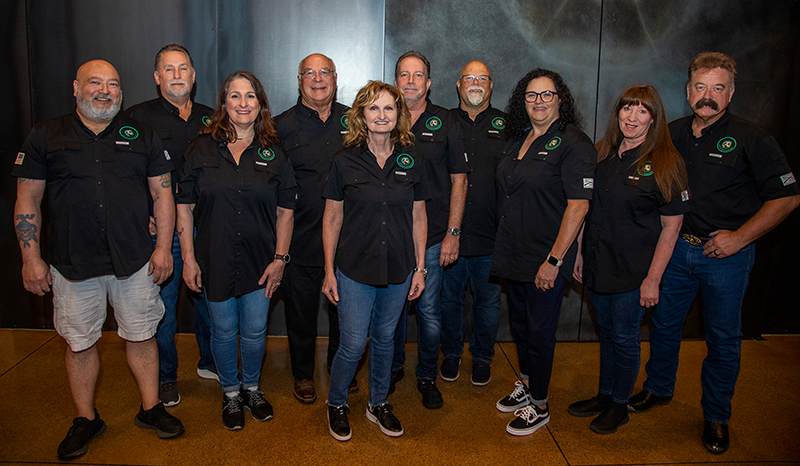
Our Mission
Our proposed legislation aims to provide comprehensive medical treatment and financial compensation to help victims fight illnesses and cope with the loss of their loved ones.
For all who risked their lives and those who have fallen fighting the invisible enemy.
We are telling the story of how thousands of military personnel and their families have become victims of the invisible enemy.